


Gabriel Jonsson on martial law shock in South Korea
On December 3, South Korean President Yoon Suk Yeol declared a state of military emergency and so-called martial law, which was lifted after only a few hours.
The martial law prohibits public demonstrations, among other things. According to Yoon Suk Yeol, the reason for the martial law declaration was to protect democracy from the opposition, which he accuses of collaborating with North Korea.
The announcement of martial law came in an already tense situation, where the president's party PPP and the opposition party DP still have not agreed on next year's budget.
Gabriel Jonsson, Senior Lecturer and Associate Professor of Korean Studies at the Department of Asian and Middle Eastern Studies, says that the situation is critical but he does not believe that democracy in South Korea is threatened.
President Yoon Suk Yeol is already unpopular and his actions in recent days have further weakened his position. He is now in the middle of his term.
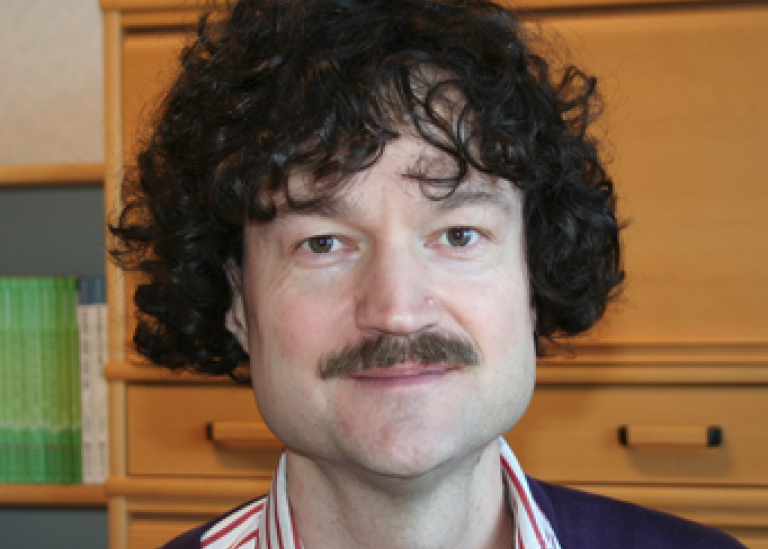
Gabriel Jonsson is Associate professor and Docent in Korean Studies at Stockholm University.
“In my view, he has acted very hastily. There is no doubt that his reputation has drastically deteriorated,” says Gabriel Jonsson.
Jonsson does not want to speculate on whether the president can stay in office.
“It's too early to say. But according to the constitution, in such a case the prime minister must take office and he is not very popular either. There are no political forces that support this,” says Jonsson.
On Wednesday South Korean opposition parties said they had submitted a motion to impeach the president, Yoon Suk Yeol, over his short-lived declaration of martial law.
Last updated: 2025-01-13
Source: Department of Asian and Middle Eastern Studies